
Creating a seamless routine for your pet is integral to their well-being and happiness. Pets, much like humans, thrive on predictability and structure. A consistent routine provides them with a sense of security and helps mitigate behavioral issues. This is especially crucial for new pet parents who are in the process of acclimating their furry friends to a new environment. Establishing a routine not only facilitates a smoother transition but also strengthens the bond between pet and owner.
Consistency in feeding times, exercise schedules, and bathroom breaks are the pillars of a solid pet routine. Regular feeding schedules prevent overeating and help maintain a healthy weight, while scheduled exercise keeps your pet physically and mentally stimulated. Moreover, predictable bathroom breaks minimize accidents in the house, easing the training process for new pet parents.
Beyond the basics, integrating playtime and training sessions into your pet’s daily routine can enhance their development and socialization skills. Engaging in interactive play not only fulfills their natural instincts but also serves as a perfect opportunity for bonding.
For new pet parents, it can be daunting to establish these routines, but the benefits are manifold. A structured routine not only improves your pet’s quality of life but also makes your life easier, as it reduces unpredictability and stress. Start small, and gradually introduce new elements as your pet becomes accustomed to the routine.
Want to learn more? Explore our product collection for all your pet supply needs.
Identifying Essential Elements of a Pet Routine
As new pet parents embark on this delightful journey, establishing a seamless pet routine becomes paramount. A well-structured routine not only nurtures your pet’s well-being but also nurtures a harmonious relationship between you and your furry friend. The cornerstones of an effective pet routine involve a blend of nutrition, exercise, grooming, and quality time, each playing a pivotal role in the overall happiness and health of your pet.
Nutrition: A Balanced Diet
Ensuring your pet receives a balanced diet is crucial. This involves selecting food that meets the nutritional needs specific to their breed, size, and age. Regular feeding times can aid in digestion and help establish a sense of security. Remember, a well-fed pet is a happy pet.
Exercise: Physical and Mental Stimulation
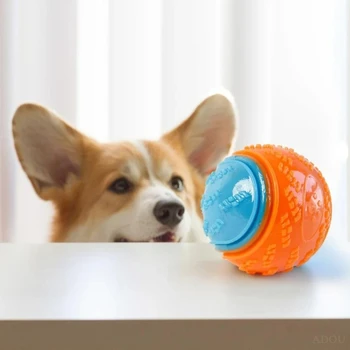
Physical activity is vital for your pet’s health. Daily walks, playtime, and engaging toys can stimulate their mind and body. This not only prevents obesity but also curbs behavioral issues by providing an outlet for their energy.
Grooming: Maintain Hygiene
Regular grooming sessions help maintain your pet’s hygiene and health. Brushing their coat, trimming nails, and cleaning ears can prevent health issues and enhance their comfort. It also strengthens the bond you share through gentle care.
Quality Time: Building a Bond
Spending quality time with your pet is indispensable. Whether it’s cuddling, training, or simply being present, this time fosters trust and affection. It’s beneficial for both you and your pet, improving emotional well-being and reducing stress.
By weaving these elements into your daily routine, you ensure your pet thrives in a loving and structured environment. For more tips on crafting the perfect pet routine, explore our product collection.
Creating a Balanced Feeding Schedule for Your Pet
Embarking on the journey of pet ownership is a rewarding yet challenging experience. One of the key elements to ensuring your new furry friend thrives is establishing a balanced feeding schedule. Not only does it promote healthy growth and development, but it also helps in building trust and a routine between you and your pet. Here’s how you can create a feeding schedule that suits your pet’s unique needs.
Understand Your Pet’s Nutritional Needs
Every pet is different, and their dietary needs can vary based on their age, breed, size, and activity level. Puppies and kittens, for instance, require more frequent meals compared to adult pets. Begin by consulting your veterinarian to understand the specific nutritional requirements of your pet. This ensures that the food you’re providing supports their growth, energy needs, and overall health.
Establish Consistent Meal Times
Consistency is key when it comes to feeding your pet. By serving meals at the same time each day, you help regulate their metabolism and improve digestion. Most pets thrive on two meals a day—morning and evening. However, puppies and kittens may need up to four small meals daily.
Monitor Food Portions
Pay close attention to the portion sizes you serve. Overfeeding can lead to obesity, while underfeeding might result in nutrient deficiencies. Use measuring cups to ensure you’re providing the correct portion recommended on the pet food packaging or as advised by your vet.
Adapt as Necessary
Your pet’s needs might change over time, especially during growth spurts or as they age. Be prepared to adjust feeding times and portion sizes as recommended by your veterinarian.
A well-planned feeding schedule can make all the difference in your pet’s health and happiness. For more insights on pet care, explore our product collection.
Incorporating Exercise and Playtime into Your Pet’s Day
Establishing a well-rounded routine for your beloved pet is a cornerstone of responsible pet parenting. Incorporating exercise and playtime into your pet’s daily activities is crucial not only for their physical health but also for their emotional well-being. Understanding the importance of these activities can make a significant difference in your pet’s life, fostering a deeper bond between you and your furry friend.
Understanding Your Pet’s Needs
Each pet comes with its own set of needs and energy levels. Dogs, for instance, may require more rigorous exercise compared to cats, who might enjoy shorter, more frequent bouts of play. It’s essential to tailor the exercise to match your pet’s breed, age, and health condition. A general guideline is to ensure your pet gets at least 30 minutes to an hour of physical activity daily.
Creative Playtime Ideas
- Interactive Toys: Invest in toys that challenge your pet mentally, such as puzzle feeders or treat-dispensing toys.
- Outdoor Adventures: Take your dog for a brisk walk in the park or a hike on a nearby trail. This not only provides physical exercise but also stimulates their senses.
- Structured Play Sessions: Set aside time each day for structured play. Whether it’s a game of fetch for your dog or a laser pointer session for your cat, these activities promote bonding.
Building a Routine
Consistency is key when establishing an exercise routine. Try to schedule playtime and walks around the same time each day to create a sense of stability for your pet. Over time, this routine will become a familiar and anticipated part of their day, reducing anxiety and encouraging a healthy lifestyle.
By integrating these elements into your pet’s daily schedule, you not only enhance their quality of life but also support their overall health and happiness. Remember, the goal is to keep your pet active, engaged, and content. Looking for more ways to enrich your pet’s life? Explore our product collection for innovative solutions.
Managing Health and Grooming Needs Effectively
As a new pet parent, ensuring that your furry friend remains healthy and well-groomed is crucial to their overall well-being and happiness. Effective management of your pet’s health and grooming needs not only enhances their quality of life but also strengthens the bond between you and your pet. Here’s how you can achieve this seamlessly.
Regular Veterinary Visits
Scheduling regular veterinary check-ups is essential to monitor your pet’s health proactively. These visits help in early detection of potential health issues, allowing for timely intervention. Discussing your pet’s diet, exercise, and any behavioral changes with the vet can provide valuable insights into their health requirements.
Establishing a Grooming Routine
Grooming is not just about keeping your pet looking good; it’s about health, too. Regular brushing helps remove excess fur and prevent mats, while baths rid them of dirt and parasites. Additionally, trimming nails and cleaning ears are vital to prevent discomfort and infections.
- Brushing: Choose brushes that suit your pet’s coat type to avoid skin irritation.
- Bathing: Use pet-friendly shampoos to maintain skin health.
- Nail Trimming: Regular trimming prevents overgrown nails that can lead to pain and posture issues.
Nutrition and Exercise
A balanced diet tailored to your pet’s age, size, and activity level is fundamental. Ensure they have access to fresh water at all times and provide nutritionally rich food to support their energy levels and immune system. Regular physical activity is equally important to maintain a healthy weight and mental stimulation.
By being attentive to these aspects of health and grooming, you not only enhance your pet’s life but also make pet parenting a more gratifying experience. For more tips on pet care, explore our product collection.




0 Comments